Show the promise
Start with the product page, quote, scope, SKU, variant, service description, or policy language active when the customer bought.
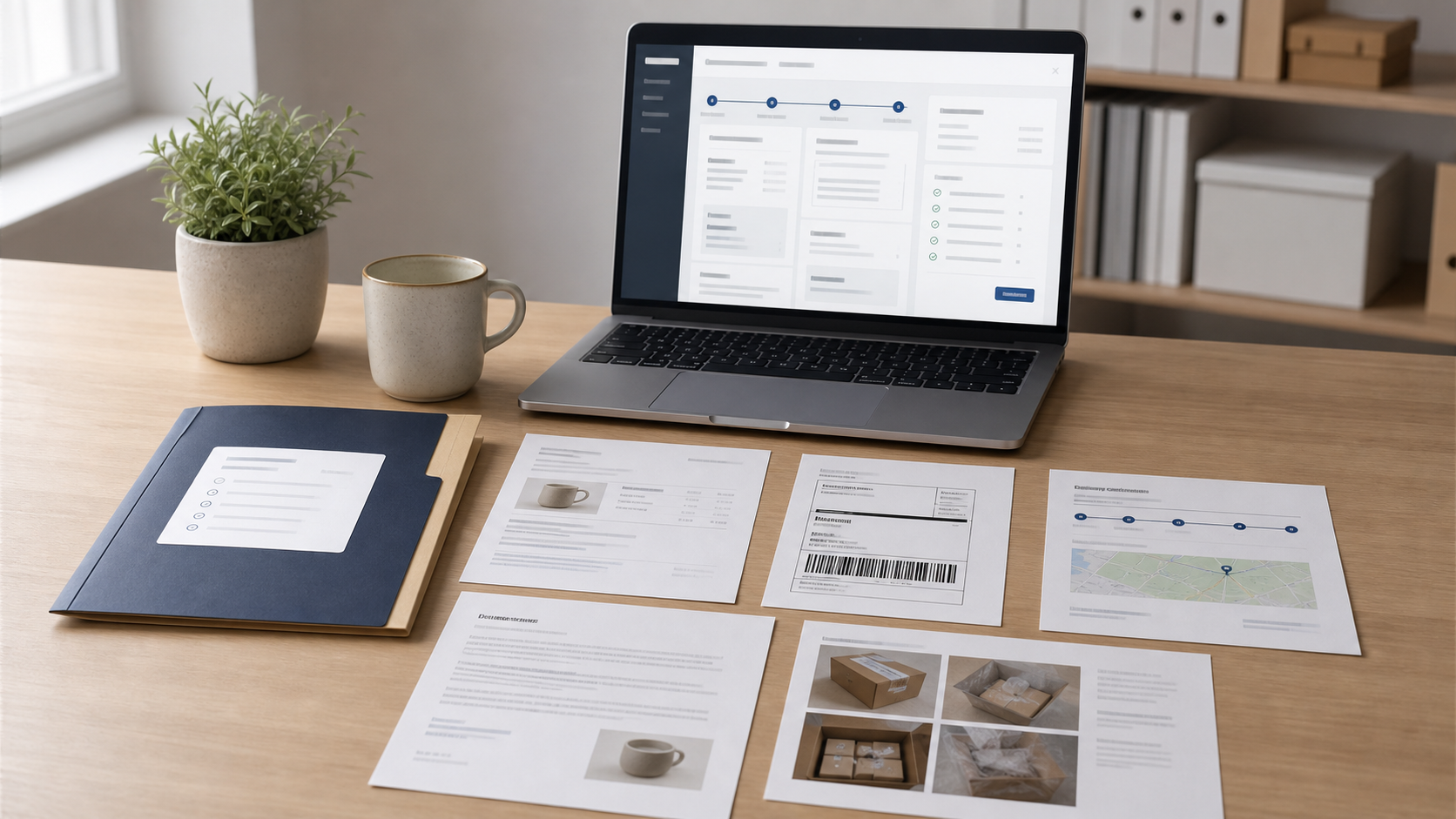
Not-as-described response template
Use this structure when the buyer says the product or service was different from what was promised, and you need to connect the listing, order, delivery, support, return, and policy records.
Use this when the dispute is about the product, service, quality, condition, delivery contents, or expectation set before purchase. If the buyer says the item never arrived, use the item-not-received template instead. If the claim is unauthorized or fraud, lead with authorization and buyer-link evidence.
Start with the product page, quote, scope, SKU, variant, service description, or policy language active when the customer bought.
Connect the purchased item or service to fulfillment, delivery, access, completion, inspection, or customer approval records.
If return, warranty, refund, exchange, or support steps were offered, put that timeline beside the policy terms.
Agencies or support teams handling several not-as-described disputes can use the $149 10-pack instead of buying one packet at a time.
Team 10-pack - $149Summary: Order [order number] was for [product, SKU, service, or plan] as described on [product page, quote, scope, or checkout page] at the time of purchase.
Description evidence: The attached listing, invoice, quote, scope, or policy record shows [key description, variant, limitation, or term].
Fulfillment evidence: The attached order, delivery, access, or completion record shows the merchant provided [item, service, access, repair, appointment, or deliverable] on [date].
Customer communication: The attached support thread shows [complaint, response, return offer, replacement offer, usage note, or approval]. Messages are arranged in date order.
Policy context: The attached return, warranty, refund, cancellation, or service policy shows the remedy path available for this claim.
Conclusion: Based on the attached records, the merchant asks that the dispute be reviewed against the product or service description, fulfillment record, customer communication, and policy terms.